Reading The Agreement
A phone or internet contract is a set of promises about service, price, and the steps each side may take if something changes. The advertised monthly figure is only one part of that deal. A home internet offer, for example, may separate the service rate from a router rental, taxes, activation, and an introductory discount that ends after 12 months. A mobile plan may set a data threshold, then slow data after that threshold instead of charging an overage. Read the order summary and the linked terms together. Start with page 1.
For U.S. fixed broadband offers, the FCC's broadband consumer label is designed to show the monthly price, recurring fees, typical download and upload speeds, latency, data cap, and links to network-management and privacy details. The labels became required for most broadband companies on April 10, 2024, with smaller companies following on October 10, 2024. That label is a useful starting point, not the full agreement. A contract can still cover installation access, service suspension, dispute handling, and return of rented hardware.
Start with the service identity. Record the plan name, address, order date, sales channel, and every quoted price before clicking accept. A call-center note and a store receipt may describe an offer differently, which, frankly, is an avoidable source of later disagreement. Screenshots with the date visible are better evidence than a remembered conversation. Keep 2 copies before ordering. Save the label, quote, confirmation email, and full terms in 1 folder.
Small print changes outcomes. Read 1 page at a time.
Costs And Commitments
The most common mistake is treating a promotional price as the permanent price. Look for words such as “for 12 months,” “with AutoPay,” or “after bill credit.” A $45 rate that rises to $70 in month 13 adds $300 over the next 12 months before fees. Check the first bill too: it may include a partial first month plus the next month in advance, so the total can look far higher than the recurring bill. Review it early.
Separate recurring charges from one-time charges. Mark them in 2 columns. Recurring items can include service, a gateway rental, a phone line access fee, or a regulatory recovery fee where permitted. One-time items can include activation, installation, shipping, restocking, or an early termination charge. Ask for a line-by-line total at the checkout address. Check 1 billing address. If the seller cannot show it, pause the order. Ask for 1 detail.
Commitment terms deserve equal attention. A “no contract” plan can still require repayment of a device balance or loss of promotional credits after cancellation. A 24- or 36-month phone installment agreement may make the handset appear cheap while tying credits to continued service. The contract should state the unpaid device balance, credit schedule, and the date credits stop. List those 3 figures. Do the arithmetic yourself.
Service promises need context. “Up to” speed describes a ceiling, while a typical-speed disclosure describes observed service under stated conditions. Wi-Fi performance also depends on the router location, walls, and the device used. A 2024 Wi-Fi 7 router will not make an older phone receive Wi-Fi 7. For mobile service, coverage maps are forecasts, not a guarantee of indoor signal at every address. Check the coverage map.
Compare Before You Sign
Collect The Full Offer
Get the current label, cart summary, and terms from the same sales channel. Store promotions sometimes differ from online promotions. Match the plan name and expiration date across all three documents. If a representative adds a credit, request written confirmation showing its amount and duration.
Check the billing date.
Calculate The Real Monthly Cost
Add every monthly line, then subtract only credits that are written into the offer. Make two totals: months 1 through 12 and the first month after each discount ends. A simple note with $55 service, $15 gateway, and a $10 credit shows $60 now and $70 later. Taxes vary by location, so label them as estimates.
Save the written quote.
Check Data And Speed Terms
For home service, compare download, upload, latency, data cap, and the consequence after the cap. For mobile service, find the amount of high-speed data, hotspot data, video limits, and deprioritization language. “Unlimited” often refers to the absence of a hard cutoff, not identical speeds at all times. Read the network-management link on the label.
Read the footnotes too.
Map The Contract Clock
Write down the order date, installation date, promotion end, device payoff date, and any cancellation deadline. A 14-day return window can start on delivery rather than activation. That difference matters if a phone arrives before a number transfer is complete. Calendar reminders 30 days before each date are sensible.
Count every recurring charge.
Audit Equipment Rules
List each rented item by model and serial number. Photograph all 2 labels. Ask if you may use a compatible modem or router, and ask which standards it must support. Return instructions can require a store receipt, shipping label, or a 30-day deadline. Keep the return receipt until the final bill clears, a mundane step that prevents many disputes.
Note the return deadline.
Read The Exit Terms
Find the cancellation method, notice period, early termination charge, device payoff rule, and port-out procedure. Write down 2 exit costs. Do not cancel a mobile line before a new carrier ports the number; cancellation can release the number. If moving home internet, ask about transfer availability at the new address before ending the old service.
Compare both exit costs.
Test The Delivered Service
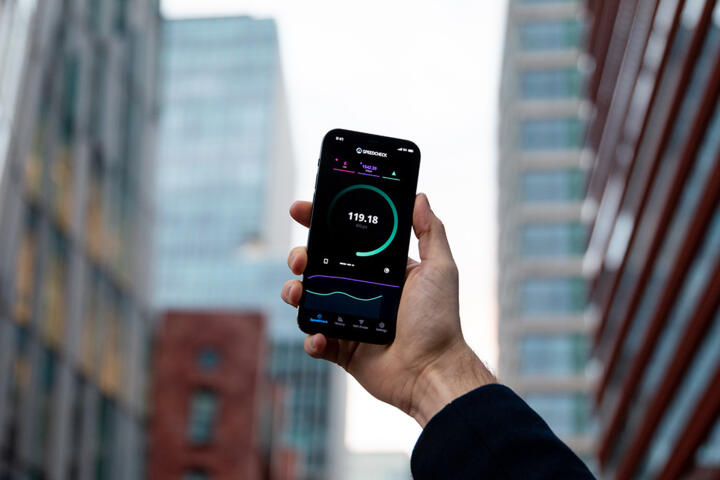
After activation, test at several times using a wired computer for home service where possible. Note the date, plan, test server, download result, upload result, and latency. Ookla Speedtest records these fields, but one test is weak evidence. Three or more tests over different periods give support staff a clearer record.
Test service during evenings.
Use The Disclosure Table
Compare offers by the same questions rather than by a banner price. The table below can sit beside the documents while you decide. Add the date each figure was checked, because web offers can expire overnight. If two totals differ by less than , weigh installation timing and exit cost too. A cheaper plan is not always cheaper after a move, which, annoyingly, sellers rarely discuss at the start. Compare 2 moving dates.
| Check | Offer A | Offer B | Document |
|---|---|---|---|
| Price After Discount | Write total | Write total | Label and terms |
| Data Or Speed Limit | Write limit | Write limit | Label |
| Exit Cost | Write amount | Write amount | Terms |
Now compare exit costs.
Cases And Common Errors
Case example: A renter sees a $40 internet promotion and plans to move in 10 months. The order page shows a $15 monthly gateway and a $100 installation fee, while the $40 price expires after 12 months. The renter compares a $55 plan with included equipment and no installation fee. Over 10 months, the first offer costs $650 before tax; the second costs $550. The lower advertised figure is not the lower short-term cost. Document the totals.
Case example: A parent buys a phone with 36 monthly bill credits and expects to switch carriers after a year. The agreement says the remaining phone balance becomes due and future credits stop when the line leaves. The parent calculates the balance before ordering and chooses a lower-priced handset. That decision preserves flexibility without assuming a carrier will waive the balance. Check the payoff amount.
Do not rely on a verbal promise that conflicts with the written order. Do not discard equipment before the final account closure. Do not assume a “free” device has no service condition. Check for arbitration, billing-dispute deadlines, and automatic payment rules before accepting them. Also read the account portal after activation. Check it monthly. Selected add-ons may differ from the sales summary. If the bill has an unfamiliar charge, compare its label with the order document before calling.
State the account number, charge date, and requested correction in writing. Ask for a case number and note the representative’s name, date, and promised follow-up. That record is useful if the charge appears again next month. Review it after 7 days. Save that case number.
Read it twice, slowly.
FAQ
What Should I Read First?
Read the order summary, the broadband label or mobile plan disclosure, and the cancellation or device-payment terms before submitting payment.
Use a dated screenshot.
Can A Promotional Price Change?
Yes. Check the stated end date, the post-promotion rate, and conditions such as paperless billing or AutoPay.
Ask for a case number.
Does Unlimited Mean No Limits?
Not always. The plan may reduce speeds after a stated data amount, limit hotspot data, or manage traffic during congestion.
Keep the final receipt.
How Long Should I Keep Receipts?
Keep order, installation, and equipment-return records until the final bill is paid and any disputed charge is resolved.
Check the next bill.
Can I Cancel After A Bad Install?
Check the written return or cancellation period immediately. Contact the seller through a traceable channel and retain the response.
Author's Insight
Contract reading works best as a comparison task, not a trust exercise. The useful figures are the total before and after discounts, the date each condition changes, and the cost of leaving. Documents that make those three points easy to find deserve more weight than sales language. A short written record turns a vague promise into something you can check later.
Key Takeaways
A phone or internet contract can match your needs when its price, service limits, equipment rules, and exit terms fit the period you expect to use it. Reading the label and full agreement takes time, but it reveals costs that an advertisement may omit. Save the sales record, test service early, and raise discrepancies promptly. Written terms still have limits: local consumer rules and the facts of a dispute can affect the outcome. Recheck terms every 12 months.