Popular Articles
 Rules
19.10.2026
July 31, 2026: EU Repair Rules Take Effect
On July 31, 2026, new EU rules on repair and access to parts and repair information begin applying. This guide explains what changes for car owners, independent repairers, and dealers, and how the rules interact with warranties and consumer rights. You’ll learn what to look for in repair offers, how to document requests for parts or information, and how to spot misleading claims when a repair is delayed or refused.
 Rules
13.10.2026
When a “Free Trial” Becomes a Paid Contract
Free trials can turn into paid subscriptions through automatic renewals, hidden terms, or unclear cancellation windows. This guide helps readers spot the contract moment, understand common billing triggers, and take practical steps before charges happen. You’ll learn how to read trial terms, check renewal settings, document consent, and handle disputes using consumer protections and chargeback options. Written for people who want reliable, evidence-based guidance without guesswork.
 Rules
07.10.2026
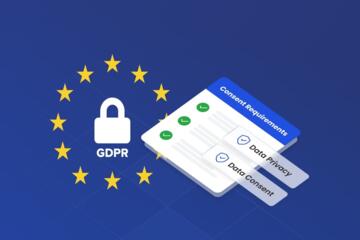
What Consent Must Include Under GDPR
This guide breaks down what GDPR consent needs to include, whether you’re agreeing to a form, using an app, or handling data requests at work. It explains the building blocks of valid consent—clear language, specific choices, and a real ability to say no—plus how withdrawing consent should work and what “freely given” looks like in everyday situations. You’ll also learn what to check in privacy notices and consent pop-ups, how consent differs from other lawful bases for processing, and how organizations can record and prove consent during audits.
 Rules
01.10.2026
Accessibility Rules for Online Purchases in 2026
Accessibility rules for online purchases in 2026 affect shoppers who use screen readers, keyboard-only navigation, captions, or high-contrast settings. This guide explains what the law and standards require, where failures commonly happen, and how to test a checkout flow before buying. You’ll learn practical steps for merchants and shoppers, including WCAG success criteria, common compliance gaps, and how to document accessibility barriers when a site blocks you.
 Rules
25.09.2026
Digital Content Refund Rules Explained
Buying digital content can feel final—until something goes wrong. This guide explains how refunds typically work for subscriptions, one‑time downloads, and in‑app purchases, and why the rules often differ depending on the platform and how you paid. You’ll learn to spot common “gotchas” in refund policies, keep an eye on key deadlines (trial end dates, renewal windows, and chargeback time limits), and document issues like missing features or accidental purchases. It also covers what consumer laws and store terms usually say, how refund requests are handled in real life, and which steps can improve your odds of getting a fair decision.
 Rules
19.09.2026
Price Claims: How “Was” and “Now” Prices Work
“Was” and “now” pricing can make a deal look bigger than it really is. This article explains how those price comparisons are usually calculated, where they often go wrong, and why some discounts can be misleading. You’ll learn how to check whether the “was” price was actually used, how long it was in place, and what records—like invoices, receipts, and price history timelines—can reveal. It also covers unit pricing, common retailer tactics, and the consumer-protection rules that apply in many regions, so you can compare offers confidently without relying on catchy marketing claims.
 Rules
13.09.2026
Online Review Rules: What Sellers Cannot Fake
Online reviews shape what people buy and how they trust a seller. This guide explains which review signals are harder to fake, which ones are easy to manipulate, and how to check for patterns across platforms. It’s for shoppers who want practical ways to verify claims, spot suspicious wording, and document problems when a listing looks misleading. You’ll learn concrete checks, common failure modes, and a short decision checklist.
 Rules
07.09.2026
Product Repair vs Replacement: Key Differences
When something you own starts failing—whether it’s an appliance, a laptop, or another household device—the hardest part is often figuring out if it’s worth fixing or time to replace it. This guide helps you make that call with fewer regrets. It explains what a repair typically restores (and what it doesn’t), what you actually gain from a replacement, and how to weigh total cost, safety concerns, warranty coverage, and expected performance over time. You’ll also get practical checklists to compare options side by side, plus common mistakes people make—like ignoring hidden fees, overlooking compatibility issues, or assuming “new” always means “better.”
 Rules
01.09.2026
What the 2026 EU Repair Rules Change
This article explains the EU repair rules that start shaping 2026 obligations for consumer goods, with a focus on what changes for buyers and repair shops. It covers the legal logic behind repairability, access to parts and documentation, and how warranty and right-to-repair interact. You’ll learn what to look for in product listings, how to compare repair options, what records to keep, and how to spot misleading claims when a seller advertises “repairable” goods.
 Rules
26.08.2026
Dark Patterns: Which Checkout Tricks Cross the Line
Checkout dark patterns are UI and wording tactics that steer shoppers toward choices they did not intend, often by hiding costs, preselecting items, or making cancellation harder than purchase. This guide helps health-conscious consumers recognize common checkout traps, understand what regulators and standards look for, and practice safer steps before paying. You’ll learn how to spot misleading totals, subscription traps, and consent-by-default flows, plus what to do when a charge already happened.